

En RIOJA Renta Car ofrecemos una amplia selección de vehículos de alta gama para tu alquiler de carros Costa Rica. Ya sea que explores playas, montañas o la ciudad, nuestra flota moderna te garantiza comodidad, seguridad y el mejor rendimiento en cualquier terreno costarricense.
Alquiler de carros Costa Rica | RIOJA Renta Car
En RIOJA Renta Car somos especialistas en alquiler de carros en Costa Rica. Ofrecemos una experiencia premium con vehículos 4×4, SUV y pickup de última generación, perfectos para explorar cada rincón del país con total seguridad y comodidad.
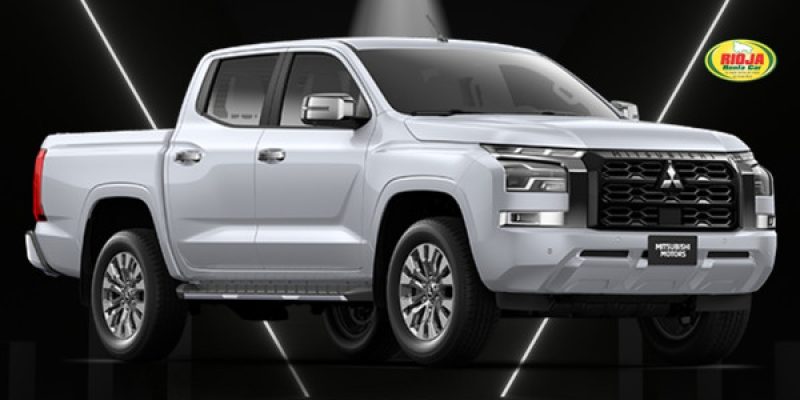
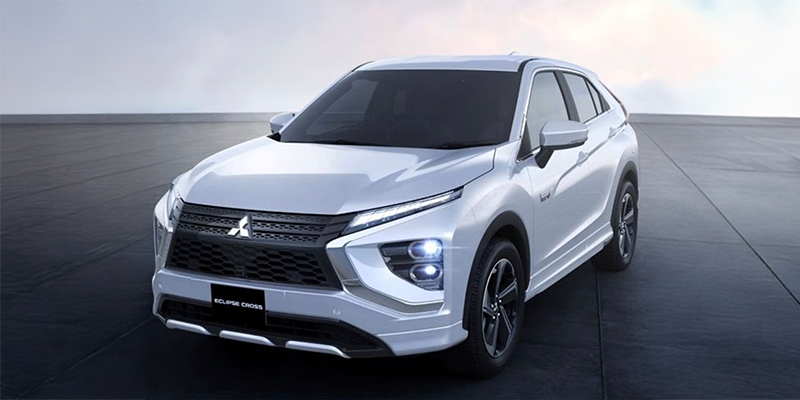
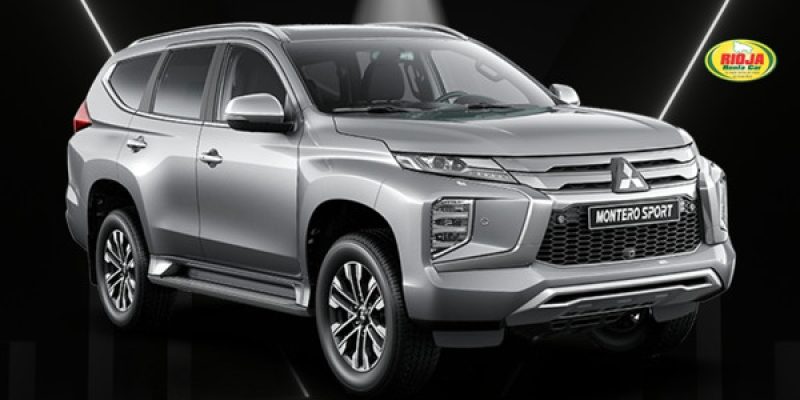


Tu Viaje Perfecto Comienza Aquí
La excelencia está en los detalles. En RIOJA Renta Car, líder en alquiler de autos en Costa Rica, ofrecemos vehículos impecables, mantenimiento preventivo constante y un servicio personalizado que nos distingue en el sector turístico y empresarial. Cada auto es preparado especialmente para garantizar tu seguridad y comodidad en cada kilómetro.
Por Qué Elegir RIOJA Renta Car
Descubre las ventajas que nos convierten en la mejor opción para alquilar vehículos en Costa Rica
Flota Moderna
Contamos con vehículos último modelo 4×4, pick-up, SUV, de marcas de prestigio y gran respaldo en Costa Rica!
Confianza y Seguridad
Somos un Rent a Car con muchos años al servicio de nuestros clientes, puede confiar en que atenderemos de la mejor manera.
Precios Imbatibles
Brindamos los precios más competitivos y los mejores carros de la región. Reserve ya mismo y asegure su viaje
Artículos y Consejos de Viaje
Guías útiles, tips de manejo y todo lo que necesitas saber para disfrutar Costa Rica al máximo

Beneficios del alquiler de vehículos en Costa Rica
5 razones para elegir Rioja Rent A Car para su próximo viaje en Costa Rica Alquilar un auto puede transformar su viaje, brindándole la flexibilidad y comodidad necesarias para explorar todo lo…
Read More
Requisitos y Documentación para Alquilar un Vehículo en Costa Rica
Alquilar un vehículo en Costa Rica es una de las mejores opciones para explorar el país con total libertad. Sin embargo, es fundamental conocer los requisitos y documentación necesarios para…
Read More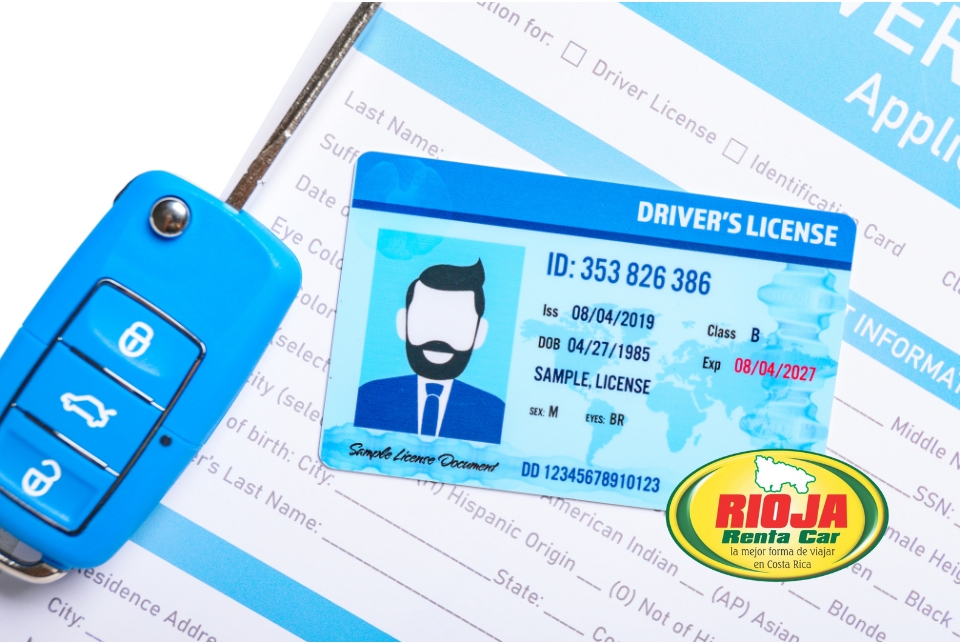
Licencia Internacional: ¿Necesaria para conducir en Costa Rica?
Si estás planeando un viaje a Costa Rica y quieres alquilar un auto, es normal que te preguntes si necesitas una licencia de conducir internacional. En esta guía despejamos todas…
Read More